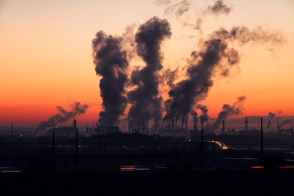
When it comes to air pollution, there are quite a number of approaches that can be taken to check on these and some of the ones that are so common are as have been mentioned under. Among the things that highly contribute to air pollution are the SPMs, better called the Suspended Particulate Matter which are found in the air. By far and large, the Suspended Particulate Matter, SPM are by far and large the variety of particles and aerosols or droplets that happen to be so suspended in the air for quite a long period of time. SPMs sourced from human activity include such as those from the burning of coal in industrial and power units, the burning of diesel in vehicles and other engines, construction projects, agriculture and such like human activities. To learn more about Biofiltration, follow the link.
Air pollution always has effects on the health of humans and as well on the environment at large. Some of the health effects of air pollution include those such as nose and throat irritation, damages to the lungs, asthma, bronchitis, cancer, reproductive problems and so much more. The effects of air pollution to the environment, the effects include the cases of acid deposition and reduced visibility. Acid deposition happens to be so ravaging in its effects and some of these are such as the fact that it causes death of trees, affects the aquatic life and as well damages soil that can be used for agricultural purposes.
Air pollution caused by suspended particulate matter can be controlled using a number of methods. These include the techniques such as the use of the electrostatic precipitators, centrifugation, filtration, scrubbing, and gravitation. Below is a look at these techniques in their details. The best information about Electrostatic Precipitator is available when you click the link.
The one of the techniques that we will be taking a look at is the use of the electrostatic precipitators to control the suspended particulate matter causing air pollution. By and large, in this method just as the name suggests, there is used mainly an electrostatic precipitator to control the amount of particulate matter in the air. This is the method where the electronic precipitator uses the electrostatic forces separate the dust particles from the exhaust gases. The contaminated gases will then flow through a passage that will be formed by the discharge and collecting electrodes. By and large, this technique acts on the basis of the principle of negative and positive charge formation.
The passage or field is ionized and the air borne particles will receive a negative charge as they pass through this field. The charged particles will then get attracted to the positively charged electrodes and will attach to them. The collected materials are then removed by rubbing or vibrating the electrodes. While cleaning the electrodes, it is of importance that you ensure that you dint interfere with the flow of air.


